Blog

Logistics Analysis with Digital Twin

  • Patrik Pasko

  • October 30, 2024

twinzo logistics analytics on a phone
Logistics Analysis with Digital Twin

Why Internal Logistics Matters

Where to start with digital twins in manufacturing? Well, we usually start with internal logistics. Why? Because there are enormous losses = the highest ROI!  How is that? Logistics is often the last one in optimization! People think "they are just delivery boys"... 🙄

If logistics were so easy, armies wouldn't fail because of missing stuff - not just nowadays. And, measuring production is much easier than measuring internal logistics. In production, you know what the input was and (hopefully) also output. But, how do we measure logistics? What are the proper criteria? And how to do it?

There are two main things, at least at the very beginning:

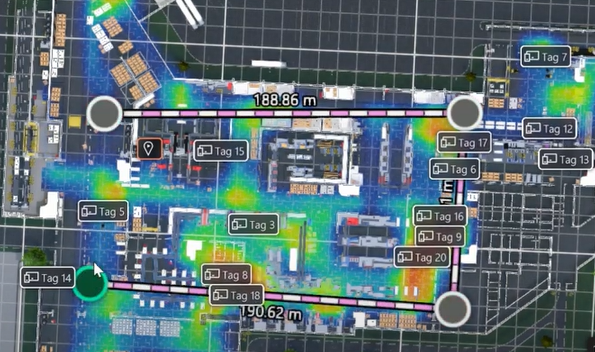
👉 The experience says that spaghetti charts provide essential information on where the operations are running and help find operations the management doesn't know (imagine 50 vehicles during three shifts).

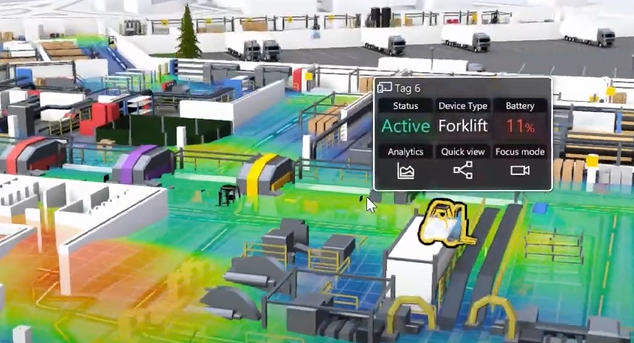
👉 Saturation allows us identifying inefficiencies and uneven work distribution (some guys are overloaded while the other ones are smoking)

In the following weeks, more about how to think about the saturation, routes, ordering (Uber for plants), and how and when to "cut" the fleet, ...

And now, go, download twinzo to your smartphone and play 😉

You might also be interested in:

Getting started with RTLS

Getting started with RTLS

Location technologies can be a very complex topic, but we can help you with understanding basic concepts, that can help you to make the correct decision. It's important to know, that twinzo can combine several technologies in a single building, enabling our customers cost-optimized ways how to implement RTLS.

Digital twins - future trend

Digital twins - future trend

The digital twin concept originated in the early 1990s, so it is not new at all. In the nearly 30 years of its existence, several definitions of what digital can be were created. ‍ While for some it is purely data stored somewhere in a database or in a file system, for others it is a BIM model (Building Information Management), for another, it is a simulation software of production processes, for us, it is live data collection and 3D visualization.

Landscape mode is not supported, please rotate your device.

By clicking “Accept”, you agree to the storing of cookies on your device to enhance site navigation, analyze site usage, and assist in our marketing efforts. View our Privacy Policy for more information.